See the reaction at work
Glucose Oxidase in Dairy and Cheese Applications
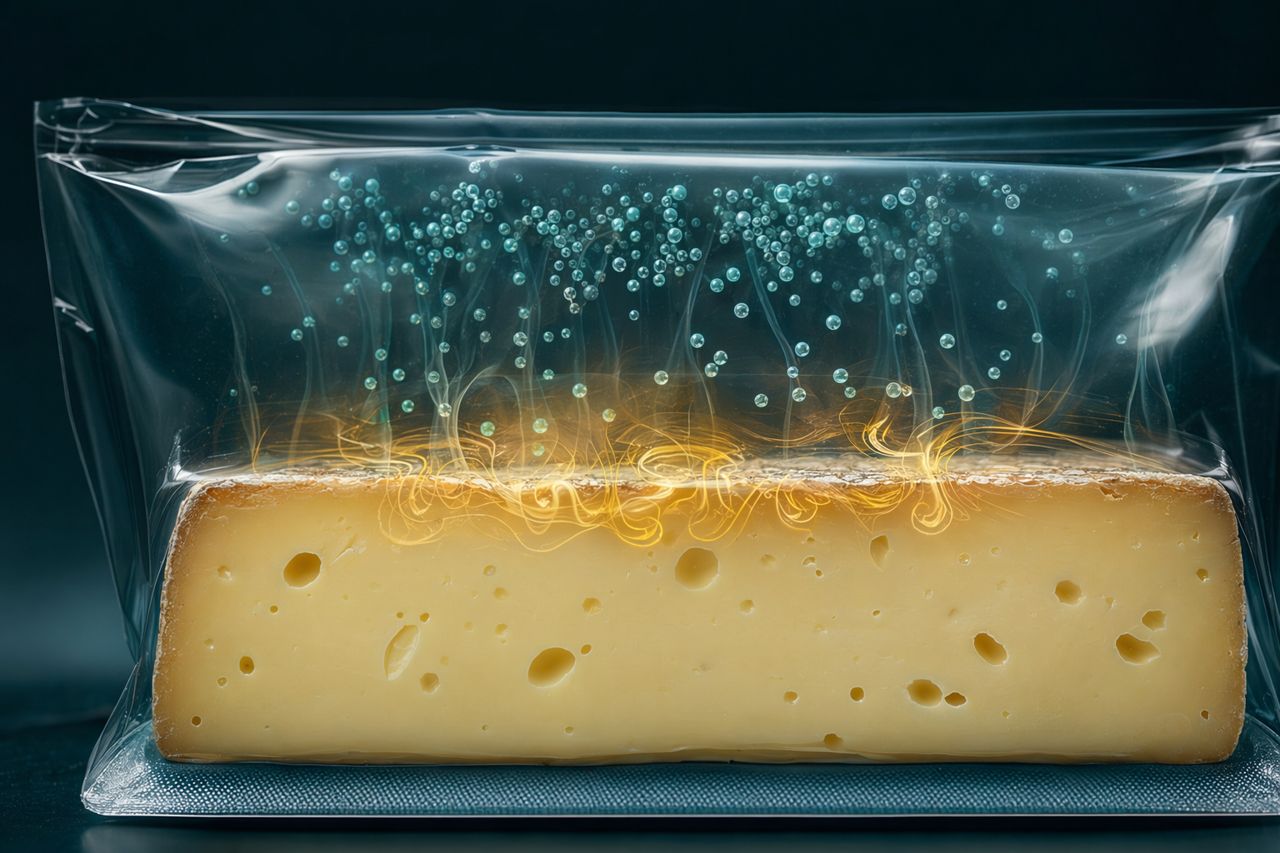
Dairy systems are oxygen-sensitive, fat-rich, culture-dependent, and highly matrix-specific. In cheese, even small changes in oxygen exposure can influence flavor stability, surface behavior, color, aroma retention, and perceived freshness across storage and distribution.
Glucose Oxidase is used as a controlled oxygen-conversion tool for selected dairy and cheese applications. It catalyzes the conversion of available glucose and oxygen into gluconic acid and hydrogen peroxide. In the right formulation, this can help reduce local oxygen pressure and support oxidation-control or preservation strategies. In the wrong matrix, it can stress cultures, alter flavor, or create peroxide-management issues. The value is in disciplined application design. Glucose Oxidase Solutions supplies glucose oxidase in bulk to cheese and dairy processors, dairy-ingredient blenders and distributors, quoted per order.
Wholesale and bulk supply for manufacturers, distributors and resellers. Every glucose oxidase order is quoted individually. Request a quote with the grade or application, the quantity you need and the destination country.
Where it fits in dairy and cheese
Glucose Oxidase is most relevant where there is accessible glucose, measurable oxygen exposure, and a defined reason to convert that oxygen inside the product, coating, brine, dip, or package environment.
| Application zone | Commercial objective | Technical consideration |
|---|---|---|
| Sliced cheese | Help limit oxygen-driven flavor drift after cutting and packing | Package permeability, headspace behavior, and surface moisture matter |
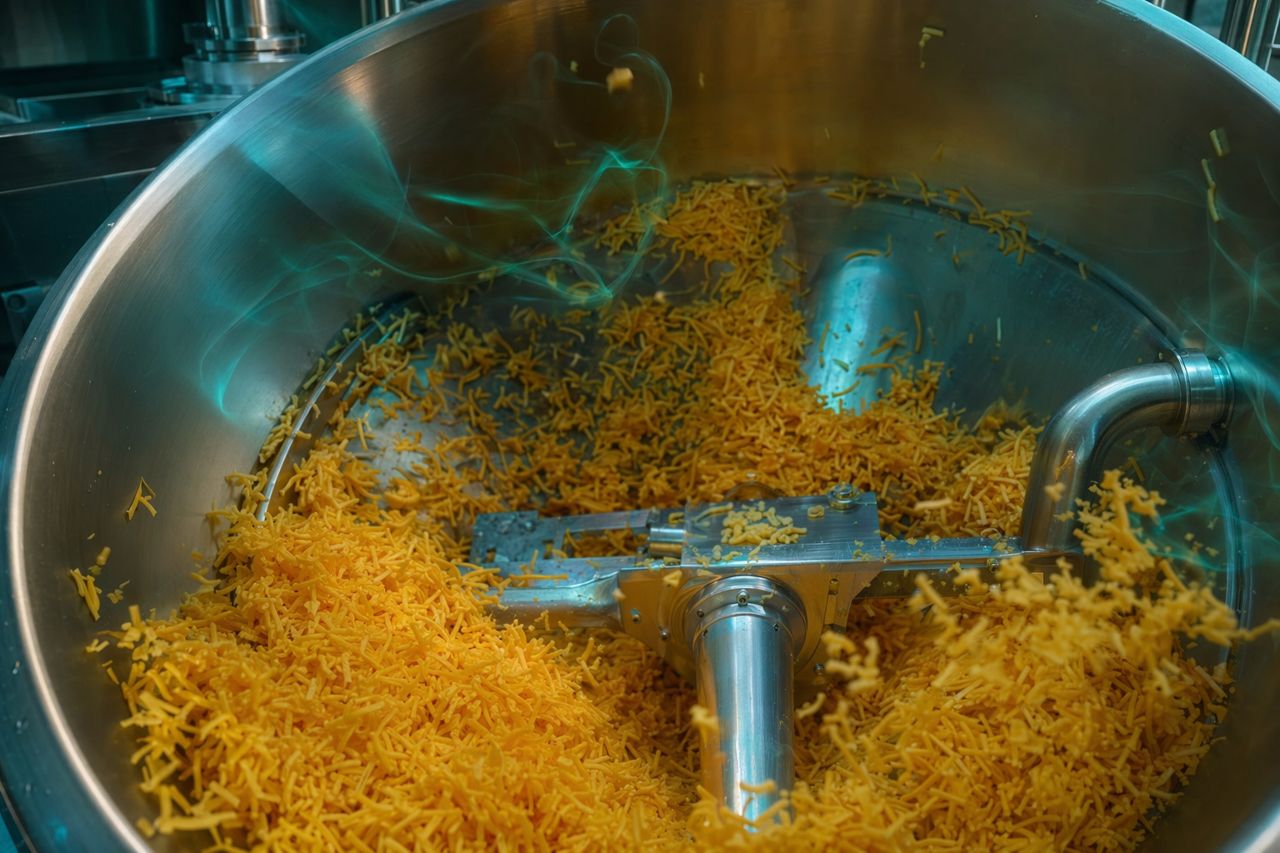
| Shredded and grated cheese | Support freshness in high-surface-area formats | Distribution across anti-caking systems, coatings, or surface treatments must be validated |
| Processed cheese systems | Contribute to oxygen control in formulated matrices | Heat history, emulsifying salts, and available glucose affect performance |
| Surface-ripened cheese concepts | Manage localized oxygen conditions at or near the surface | Must be balanced against desired ripening organisms and sensory targets |
| Cheese coatings, dips, or films | Place activity where oxygen enters | Carrier compatibility and migration behavior are critical |
| Active-packaging concepts | Support oxygen scavenging outside direct bulk addition | Requires package-specific validation and regulatory review |
What Glucose Oxidase does in a dairy matrix
It consumes oxygen only when the system gives it access
Glucose Oxidase requires both available glucose and oxygen. Many fermented dairy systems have limited free glucose unless the formulation, culture pathway, lactase treatment, or added substrate creates access. For that reason, cheese performance should never be assumed from aqueous screening alone.
Key matrix variables include:
- free glucose availability
- dissolved and headspace oxygen profile
- moisture and water mobility
- salt and mineral balance
- fat level and oxidation sensitivity
- pH position and acid-buffering capacity
- culture compatibility
- thermal exposure during processing
- packaging oxygen transmission
- distribution uniformity across surface or bulk phases
It creates hydrogen peroxide, which must be managed
The reaction generates hydrogen peroxide. In some preservation strategies, that formation is part of the intended hurdle. In other dairy applications, excess peroxide can be undesirable because it may interact with flavor compounds, lipids, proteins, color systems, or live cultures.
Common control approaches include:
- limiting placement to a coating, dip, film, or packaging interface
- using a substrate-controlled formulation
- pairing with catalase where peroxide decomposition is required
- separating the enzyme system from sensitive cultures where possible
- validating peroxide profile alongside sensory and microbiological outcomes
Benefits for formulation and procurement teams
Oxygen-aware shelf-life design
Glucose Oxidase can support programs focused on reducing oxygen-related quality loss. Typical targets include slower development of oxidized notes, better aroma retention, and more consistent quality after slicing, shredding, or repacking.
Flexible placement options
The enzyme may be considered for direct formulation, localized surface systems, active coatings, brines, dips, or package-adjacent concepts. The right route depends on where oxygen enters and where reaction products can be tolerated.
Practical fit with industrial decision-making
Glucose Oxidase Solutions supports B2B evaluation around grade selection, carrier needs, documentation, sample planning, and commercial supply expectations. We do not position Glucose Oxidase as a universal preservative. We position it as a targeted oxygen-management ingredient for validated dairy systems.
Development checklist for cheese applications
Before selecting a Glucose Oxidase route, define the following:
- Product format: block, sliced, shredded, grated, spread, processed, coated, or surface-ripened.
- Oxygen problem: headspace oxygen, dissolved oxygen, surface oxygen ingress, or post-cut exposure.
- Substrate access: natural free glucose, lactase-created glucose, added glucose, or package-localized substrate.
- Peroxide strategy: retained, controlled, decomposed with catalase, or isolated from the product bulk.
- Culture sensitivity: starter, adjunct, probiotic, mold, smear, or ripening culture compatibility.
- Sensory risk: acid shift, oxidative notes, sulfur notes, bitterness, color change, or texture impact.
- Regulatory pathway: intended market, ingredient declaration, processing aid interpretation, and package-contact review.
- Commercial constraints: format, carrier, handling, storage, lead time, and batch-to-batch documentation.
Formulation routes commonly evaluated
Direct addition
Best considered when the dairy matrix has controlled substrate availability and peroxide behavior is acceptable or actively managed. Direct addition requires careful validation against flavor, texture, live culture performance, and finished-product claims.
Surface treatment
Useful when oxygen exposure is primarily surface-driven, as in cut, shredded, grated, or coated cheese. Surface treatment can focus the reaction zone but requires strong control over distribution, drying, and sensory impact.
Coating or film incorporation
A practical route for placing Glucose Oxidase at the oxygen-entry interface. Carrier selection, moisture behavior, and compatibility with coating polymers or edible film systems should be screened early.
Active-packaging system
Suitable for programs where the enzyme is part of a package-localized oxygen-scavenging concept. This route may reduce direct interaction with the cheese but increases the importance of package design, migration assessment, and regulatory documentation.
Quality and supply considerations
For dairy and cheese programs, procurement teams typically need more than a catalog description. Glucose Oxidase Solutions can support discussions around:
- food-grade suitability and documentation package
- carrier and handling preferences
- allergen and origin requirements
- lot traceability expectations
- certificate of analysis and safety documentation
- sample-to-commercial continuity
- packaging format for plant use
- shelf-life and storage guidance
- compatibility with catalase or adjacent enzyme systems
Practical cautions
Glucose Oxidase is not automatically appropriate for every cheese. Use it with caution when the product depends on delicate live cultures, has very low glucose access, is highly peroxide-sensitive, or carries a flavor profile that could be affected by acid or oxidative chemistry. Pilot testing should include sensory, oxygen profile, peroxide behavior, texture, microbiology, and package interaction.
Request a quote or get pricing
Tell us the cheese or dairy format, the oxygen problem, the quantity or annual volume, the destination market and the documents you need. Glucose Oxidase Solutions replies with grade fit, availability and a quote for that order.