See the reaction at work
Bulk Glucose Oxidase for Manufacturers, Distributors and Resellers
Glucose Oxidase Solutions supplies glucose oxidase in bulk to businesses: bakery-improver and flour-treatment blenders, beverage, dairy and food manufacturers, feed and premix producers, biosensor and diagnostic-component makers, and the distributors and resellers who serve them. We do not sell to consumers. Every order is quoted individually: send the product or application, the quantity and the destination, and we reply with grade options, the documents available for that grade, and a price.
Glucose Oxidase is useful because it converts a common substrate into practical process effects: oxygen reduction, gluconic acid formation, and controlled peroxide generation. For commercial teams, the value is not simply the enzyme name. It is whether the material fits the matrix, process window, label strategy, sourcing requirements, and finished-product goal.
Wholesale and bulk supply for manufacturers, distributors and resellers. Every glucose oxidase order is quoted individually. Request a quote with the grade or application, the quantity you need and the destination country.
What Glucose Oxidase Does
Glucose Oxidase catalyzes the oxidation of glucose in the presence of oxygen. The reaction forms gluconic acid and hydrogen peroxide. In industrial formulation, that chemistry can be used in two main ways:
- Oxygen management: reducing dissolved or headspace oxygen when glucose is present or can be supplied.
- Oxidative functionality: generating a controlled peroxide effect that can influence dough structure, microbial hurdles, or biosensor response depending on the system design.
The same chemistry can behave very differently in bread dough, fruit beverage, egg-containing formulations, feed premixes, immobilized diagnostic systems, or oxygen-scavenging concepts. Glucose Oxidase Solutions treats Glucose Oxidase as an application-specific tool, not a one-size ingredient.
Core Application Areas
Baking and Dough Systems
In wheat-based and composite doughs, Glucose Oxidase can support dough strength and handling by promoting oxidative interactions within the dough network. It is often evaluated when teams want cleaner handling, improved tolerance, or support for volume and crumb consistency.
Commercial considerations include flour variability, mixing intensity, fermentation time, reducing agents, emulsifiers, ascorbate systems, improvers, frozen dough exposure, and whether the process has enough available substrate and oxygen for the enzyme to perform consistently.
Beverage, Sauce, and Liquid Food Systems
In oxygen-sensitive liquids, Glucose Oxidase may support freshness strategies by reducing dissolved oxygen and generating gluconic acid. It can be considered for selected beverages, sauces, fruit preparations, liquid egg applications, and other systems where oxygen drives color, flavor, nutrient, or shelf-life loss.
The practical question is compatibility: sugar profile, pH window, heat exposure, packaging format, oxygen ingress, desired acidity shift, and whether peroxide must be managed with catalase or process controls.
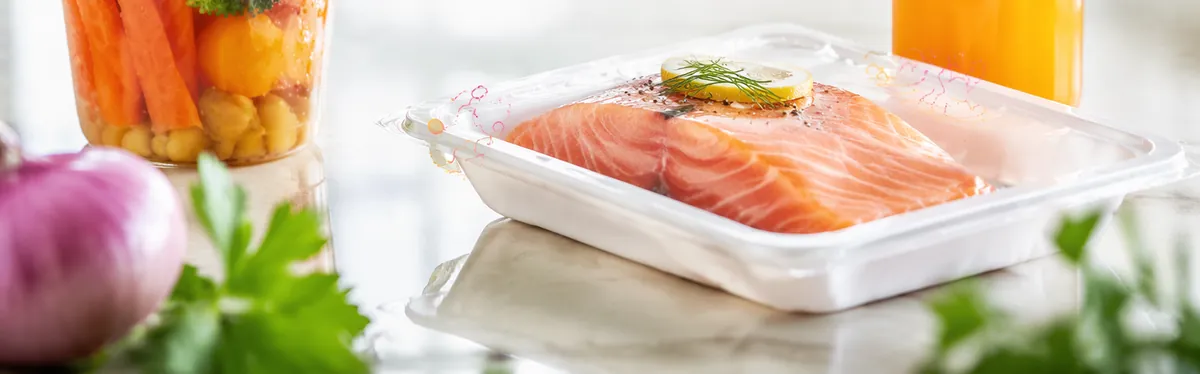
Preservation Support and Oxygen Scavenging
Glucose Oxidase can be part of a broader oxygen-control strategy. It is not a universal preservative; its effect depends on substrate, water availability, oxygen transfer, contact time, and the full hurdle system.
Useful evaluation points include whether the target is dissolved oxygen removal, headspace oxygen reduction, surface protection, flavor protection, or support for a microbial control strategy in combination with approved ingredients and process conditions.
Feed and Animal Nutrition
In feed applications, Glucose Oxidase is assessed for its role in gut-environment modulation, ingredient functionality, and formulation compatibility. Buyers usually focus on supply consistency, carrier system, storage behavior, pelleting exposure, documentation, and compatibility with acids, minerals, probiotics, and other enzyme blends.
Biosensing, Diagnostics, and Bioprocess Use
Glucose Oxidase is widely recognized in glucose detection concepts and selected bioprocess designs because its reaction can be coupled to measurable oxygen or peroxide changes. For industrial sourcing, the conversation typically centers on purity expectations, immobilization compatibility, lot consistency, and regulatory or quality documentation.
Buyer Selection Checklist
Use this checklist before requesting samples, pricing, or technical discussion:
| Decision area | What to clarify |
|---|---|
| Application target | Dough strength, oxygen removal, peroxide generation, freshness support, feed functionality, or sensing response |
| Matrix | Flour system, beverage base, sauce, egg, feed premix, coating, film, immobilized support, or process liquid |
| Substrate availability | Native glucose level or planned glucose addition |
| Oxygen access | Dissolved oxygen, headspace oxygen, aeration, mixing, packaging ingress, or limited diffusion |
| Process exposure | Mixing, holding, heating, cooling, drying, pelleting, or storage stress |
| Pairing strategy | Whether catalase, antioxidants, acids, improvers, or other enzymes are used alongside it |
| Documentation | Food, feed, technical, or bioprocess documentation requirements by market and buyer policy |
| Commercial format | Powder, granulate, liquid, coated format, carrier preference, pack size, and lead-time needs |
Formulation Questions That Matter
Before selecting a Glucose Oxidase grade, define the business and process outcome:
- Is the primary target oxygen removal, dough reinforcement, preservation support, or analytical response?
- Is glucose already present at a useful level, or will the formulation need adjustment?
- Will peroxide generation be beneficial, neutral, or something that must be controlled?
- Is catalase required after the reaction step or in the same system?
- Will the enzyme encounter heat, low moisture, acids, salts, alcohol, preservatives, or shear?
- Is the purchasing priority performance, label position, documentation, regional compliance, or cost-in-use?
- What packaging, storage, and shelf-life expectations define success?
Quality and Commercial Documentation
Industrial buyers typically request more than a product name. Depending on application and region, a commercial file may need to cover:
- Product description and intended industrial use
- Ingredient, carrier, and allergen-position information where applicable
- Food or feed suitability statements where applicable
- Safety data and handling guidance
- Specification framework and release controls
- Country-of-origin and traceability information
- Shelf-life, storage, and packaging information
- Regulatory support appropriate to the intended market
Glucose Oxidase Solutions keeps the conversation practical: application first, documentation second, commercial fit third.
How to Approach Trials
A useful Glucose Oxidase trial should compare the enzyme against a defined control and a realistic process condition. Avoid testing only in simplified bench systems unless that is the final use environment.
Recommended trial planning:
- Define the target effect before screening materials.
- Use the actual matrix or the closest validated pilot substitute.
- Track oxygen, acidity, texture, color, flavor, volume, or response signal based on the application.
- Evaluate interaction with heat treatment, packaging, storage, and companion ingredients.
- Confirm whether residual peroxide, acidity shift, or oxygen depletion creates a secondary effect.
- Convert performance into cost-in-use and procurement feasibility.
Request a Quote for Bulk Supply
Glucose Oxidase Solutions supplies glucose oxidase for your own production and for resale, from trial quantities to repeat bulk lots, and quotes every order individually. Use the inquiry form at the foot of this page and include:
- the product or application (baking, beverage, dairy, feed, biosensor, bioprocess);
- the quantity per order or the annual volume;
- the preferred format and pack;
- the destination country;
- the documents you need for your market.
The more complete the inquiry, the faster a suitable grade and a quote can be prepared.


